
Testosterone in Women: What You Need to Know
By Katie Camplen, Women’s Health Nurse Practitioner
Your Doctor on Demand
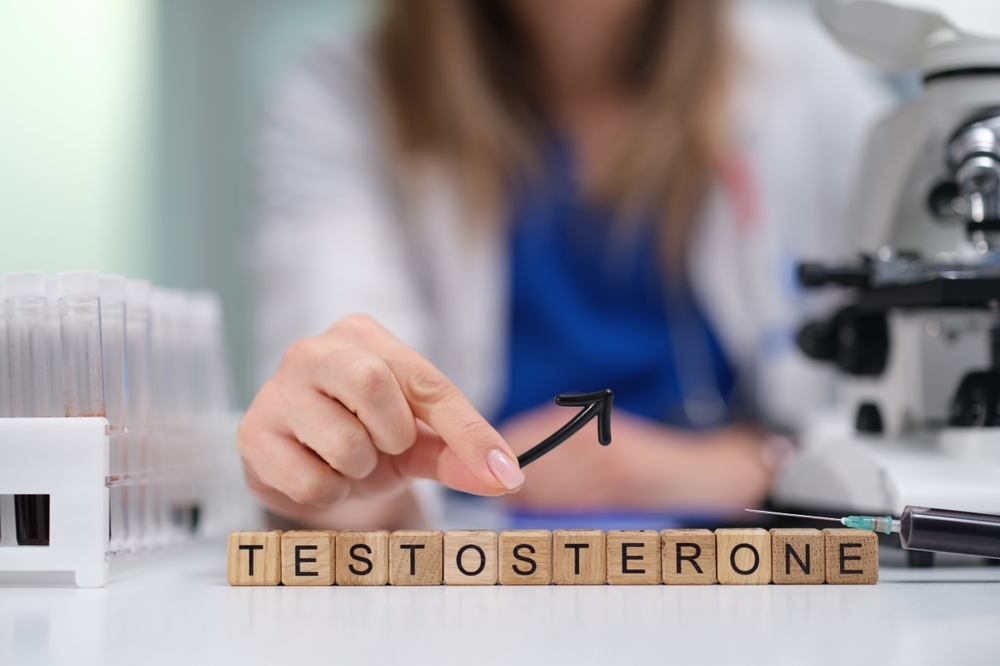
When most people hear the word testosterone, they think of men. But women make testosterone too, and it plays an important role in women’s health.
As women get older, hormone levels can change. These changes may happen during perimenopause and menopause and can affect how you feel.
Some women notice changes in their sex drive, energy, mood, sleep, muscle strength, and body composition.
But here’s the important part:
Not every woman needs testosterone.
The first step is finding out what may be causing your symptoms.
What Does Testosterone Do for Women?
Women naturally make testosterone in the ovaries and adrenal glands.
Testosterone may play a role in:
-
Sexual desire
-
Sexual function
-
Muscle strength
-
Maintaining muscle
-
Bone health
-
Overall well-being
For some women, testosterone therapy may help with low sexual desire, especially after menopause. Research shows the strongest evidence for testosterone use in women who have hypoactive sexual desire disorder (HSDD).
However, testosterone is not a treatment for every symptom of menopause.
For example, feeling tired or gaining weight does not always mean your testosterone is low. Sleep, stress, thyroid problems, nutrition, medications, estrogen changes, and other health issues can also play a role.
That’s why we look at the whole picture.
We Start With Your Symptoms
At Your Doctor on Demand, we don’t believe in treating a lab number alone.
We start by listening to you.
We will talk about your symptoms, health history, medications, lifestyle, and goals.
Some of the symptoms we may discuss include:
-
Low sex drive
-
Changes in sexual function
-
Vaginal dryness or discomfort
-
Low energy
-
Sleep problems
-
Mood changes
-
Brain fog
-
Changes in muscle strength
-
Changes in body composition
Your symptoms help us decide what testing may be helpful and what treatment options may make sense for you.
Lab Testing Can Help
Depending on your symptoms and health history, we may recommend lab testing.
Testing can give us more information about your hormone levels and overall health.
But a lab result is only one part of the picture.
Hormone levels can change over time. We look at your lab results along with your symptoms and medical history.
If you use testosterone, we also monitor your levels and how you are feeling.
The goal is not to give you as much testosterone as possible.
The goal is to find the right dose for you and keep your hormone levels in a healthy range.
What Are Bioidentical Hormones?
You may have heard the term bioidentical hormones.
Bioidentical hormones are hormones that are chemically the same as hormones made by the human body.
There are FDA-approved bioidentical hormone products, as well as compounded hormone products. These are not the same thing, so it is important to understand your options.
At Your Doctor on Demand, we use bioidentical hormone therapy when it is appropriate for the patient.
Our goal is to create a treatment plan based on your needs—not a one-size-fits-all plan.
Tablets, Creams or Pellets?
There are several ways hormones can be given.
The best option depends on your symptoms, health history, goals, and personal preferences.
Tablets
Some hormone treatments can be taken by mouth.
This may be a good option for some women, depending on the hormone being used and their health history.
Creams
Hormone creams can be placed on the skin.
Some women like this option because it does not require taking a pill every day.
Pellets
Hormone pellets are small pellets placed under the skin. They slowly release hormones over time.
Pellets may be an option for some women, but they also have some important differences from creams and tablets.
Once a pellet is placed, it cannot simply be removed if you have a side effect or decide you want to stop treatment. Because of this, it is important to talk about the benefits, risks, and other options before choosing pellet therapy.
More Testosterone Is Not Better
This is very important.
More testosterone does not mean better results.
Too much testosterone can cause problems such as:
-
Acne
-
Increased facial or body hair
-
Hair loss on the scalp
-
Voice changes
-
Other unwanted changes
Some changes may not go away after stopping treatment.
That is why careful dosing and follow-up are so important.
We want to find the right treatment at the right dose for the right woman.
Your Treatment Should Be About You
There is no single hormone plan that works for every woman.
Two women may be the same age but have very different symptoms, health histories, hormone levels, and goals.
That’s why we take time to get to know you.
At Your Doctor on Demand, our process may include:
Symptom screening → Health history → Lab testing → Treatment options → Follow-up
Together, we can talk about whether hormone therapy may be right for you and which option may fit your needs.
The Bottom Line
Testosterone can be an important hormone for women, but it is not right for everyone.
If you are going through perimenopause or menopause and something doesn’t feel right, you don’t have to simply accept it as part of getting older.
Let’s take a closer look.
At Your Doctor on Demand, we offer personalized hormone evaluations, symptom screening, lab testing when appropriate, and treatment planning.
Depending on your needs, we can discuss options such as HRT tablets, creams, or pellet therapy.
Your hormones are personal.
Your treatment should be personal, too.
Katie Camplen, WHNP, is a Women’s Health Nurse Practitioner with Your Doctor on Demand. Hormone therapy is individualized based on each patient’s symptoms, medical history, health risks, goals, and clinical evaluation. Testosterone therapy is not appropriate for everyone and should be prescribed and monitored by a qualified healthcare professional.